
Your drivers did the work. The goods arrived. The customer signed.
So why is the money still three weeks away?
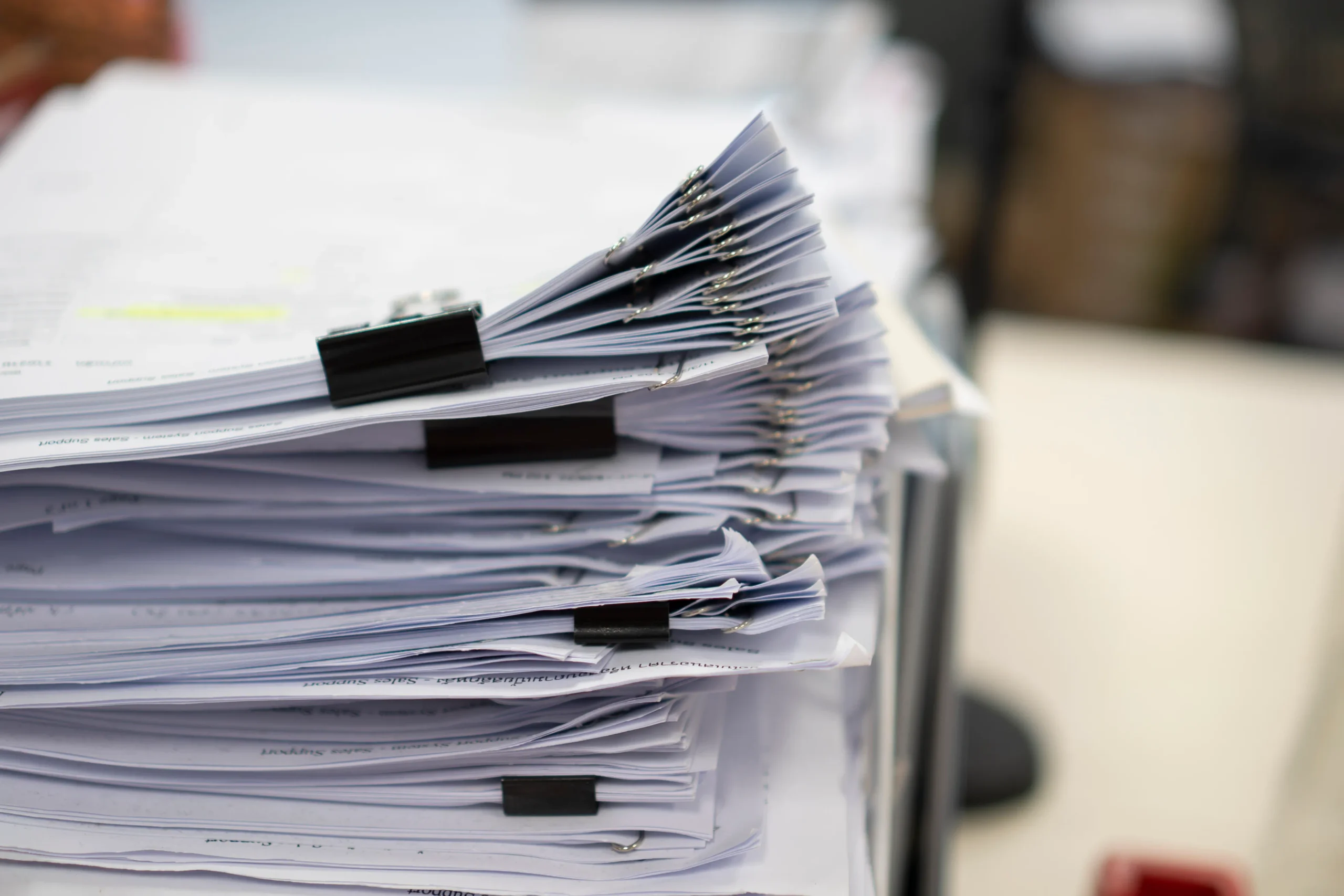
If you run dispatch, fleet, or supply chain operations, you already know the answer: the paperwork. Somewhere between the delivery point and your billing department, a signed waybill is sitting in a truck cab, a depot tray, or a pile on someone’s desk, waiting to be found, checked, matched, and captured. Until that happens, you can’t invoice.
And until you invoice, you can’t get paid.
Why Manual Proof of Delivery Is Quietly Strangling Your Cash Flow
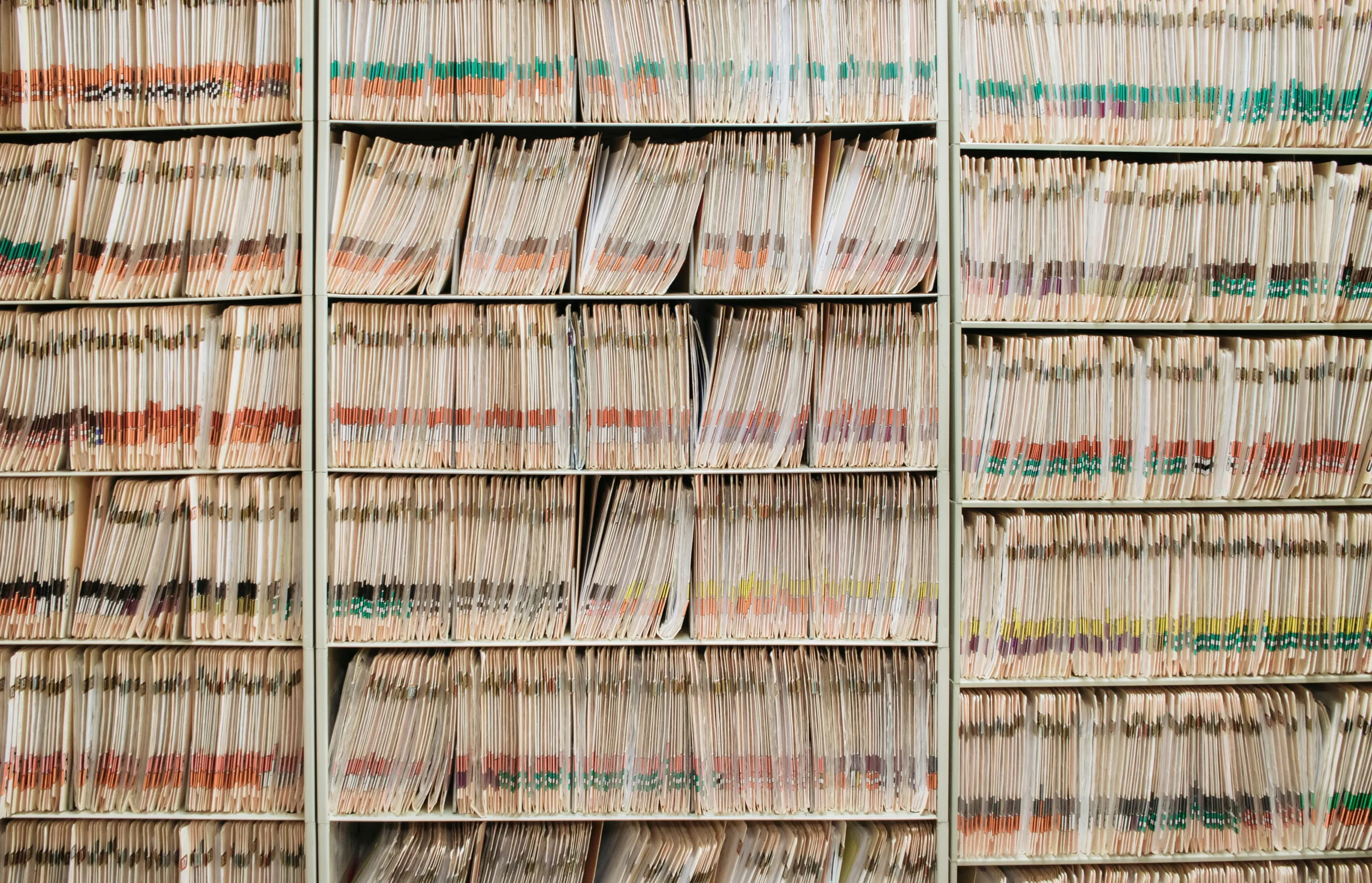
Every delivery generates paper: waybills, delivery notes, trip sheets, signed PODs. In a manual operation, each one of those documents has to physically travel back to the office before anything can happen.
Then someone has to read it, decipher the handwriting, match it to the correct order, check the quantities, and capture it into your system.
Multiply that by hundreds or thousands of deliveries a month and you get a very expensive queue.
The costs stack up in three places:
Delayed invoicing. You can’t bill what you can’t verify. Every day a POD sits unprocessed is a day added to your Days Sales Outstanding. Your operation is effectively giving customers an interest-free loan, funded by your working capital.
Capture errors. Manual data entry from handwritten waybills is where mistakes breed. A transposed quantity, a wrong order number, a missed short-delivery note. Each error becomes a query, and each query becomes a payment delay.
Disputes you can’t win quickly. When a customer claims goods never arrived or quantities were short, the clock starts. If your signed POD is in a box somewhere, or worse, lost, you’re negotiating from a position of weakness. The credit note gets issued not because you were wrong, but because you couldn’t prove you were right fast enough.
The Waybill Verification Backlog Problem
Here’s the part most operations underestimate: the backlog isn’t a one-off problem, it’s a permanent tax. If your admin team is perpetually three days behind on POD capture, then every invoice you ever send is three days late, forever.
The backlog never clears because new deliveries arrive faster than old paperwork gets processed.
Hiring more capture clerks treats the symptom. The volume grows, the paperwork grows with it, and you’re back where you started, just with a bigger salary bill.
How Proof of Delivery OCR Actually Works
Proof of delivery OCR (optical character recognition) removes the manual capture step entirely.
Instead of a human reading and retyping each document, the system does it in seconds:
- Capture. The driver or depot photographs or scans the signed waybill. No special hardware needed, a phone camera works.
- Extract. OCR reads the document: order numbers, quantities, dates, customer details, signatures, and handwritten notes like short-delivery annotations.
- Match and verify. The extracted data is automatically matched against the original order or dispatch record. Clean matches flow straight through. Discrepancies get flagged for human review, so your team only touches the exceptions, not every single document.
- File and index. Every POD is stored digitally, fully searchable, and linked to its order. When a dispute lands, the signed proof is a ten-second search away, not a warehouse expedition.
The result is a verification process that happens the same day as the delivery, not the same week.
Logistics Document Automation: From Dispatch Bottleneck to Same-Day Billing
Once POD capture is automated, the knock-on effects run right through the revenue cycle:
Invoicing moves to same-day or next-day. The moment a POD is verified, billing can trigger. No waiting for paper to travel, no capture queue.
Your DSO shrinks. Faster invoicing means faster payment terms start ticking. For a business invoicing millions a month, pulling even five days out of your DSO releases serious working capital back into the operation.
Disputes get shut down with evidence. Signed, timestamped, searchable PODs mean queries are resolved in minutes. You stop issuing credit notes out of administrative defeat.
Your admin team stops drowning. Instead of capturing every document, they manage exceptions. Same headcount, dramatically more throughput, and far fewer late nights at month-end.
Proof of Delivery OCR and Your Days Sales Outstanding (DSO)
DSO is where logistics document automation stops being an IT project and becomes a finance conversation.
The formula is simple: every day of paperwork delay is a day added to your collection cycle.
Automate the verification step and you remove that delay at the source, permanently. This is why POD automation projects tend to get sign-off from CFOs, not just operations managers. The ROI shows up on the cash flow statement.
Fewer Disputes, Faster Payments
Disputes don’t just cost you the disputed amount. They cost admin hours, customer goodwill, and payment of the entire invoice while the query drags on.
Digital, verified, instantly retrievable PODs cut disputes off before they escalate: the evidence is simply there, every time.
The Numbers: What Proof of Delivery Automation Delivers
Across logistics operations that have automated POD and waybill processing, the industry benchmarks are consistent:
- Up to 90% reduction in manual capture errors
- 50% reduction in document processing time
- 40% fewer delivery disputes
Behind each of those numbers is the same story: less paper handling, fewer human touchpoints, faster cash.
Getting Started with Logistics Document Automation
You don’t need to digitize your entire operation on day one. The highest-return starting point is almost always the POD and waybill flow, because it sits directly on your revenue cycle. Start there, prove the DSO improvement, then extend the same automation to trip sheets, fuel slips, and inbound delivery notes.
At Appstrax, our Paperless Performance service does exactly this: we turn your paper-based delivery documentation into a searchable, automated, verifiable digital flow, built around how your operation actually runs.
If your billing is waiting on paperwork, let’s fix that. Book a Paperless Performance assessment and we’ll map out where your document flow is leaking time and money, and what it takes to stop it.